
Dasain jatras: Patan's Ashtamatrika dance, Khadga Jatra in Asan and Dolakha

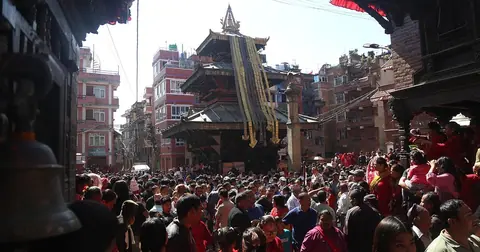
Traditional jatras and dances have concluded in the Kathmandu Valley and Dolakha following Dasain.
Patan's Ashtamatrika dance, also known as Gun Pyakhan, which is performed over 11 days starting from Ghatasthapana, ended on Thursday in Lalitpur.
According to Rajendra Shakya, chair of the dance management committee, the tantric dance dates back around 362 years to the reign of Malla king Shrinivas Malla. It begins each year with a puja at Nakabahil on the day of Ghatasthapana.
Performed by artists from the Shakya and Bajracharya lineages, the dance is considered a distinctive part of Newar heritage.
In Kathmandu's Asan, the Tuladhar community celebrated Khadga Jatra by worshipping their clan deity and then cutting a painted effigy of a demon made of pumpkin. The community's youngest boy was made the "nayake" and led a procession around the neighbourhood with music.
The jatra is also associated with the story of Emperor Ashoka laying down arms after the Kalinga war.
In Dolakha, the only town in the country where Khadge Jatra is performed, the festival also concluded on Thursday. Held from morning to evening the day after Tika, participants wore white daura, jama and pheta, garlands of jamara, and performed war-style dances carrying swords around the neighbourhoods.
According to local resident Bharat Narayan Pradhan, the jatra has been celebrated since the Malla era to commemorate the gods' victory over the demon Mahishasura.
Sources
Nepal's top stories, twice a day on video
Morning and evening: short, clear and sourced (in Nepali).
Subscribe on YouTubeFollow on Facebook